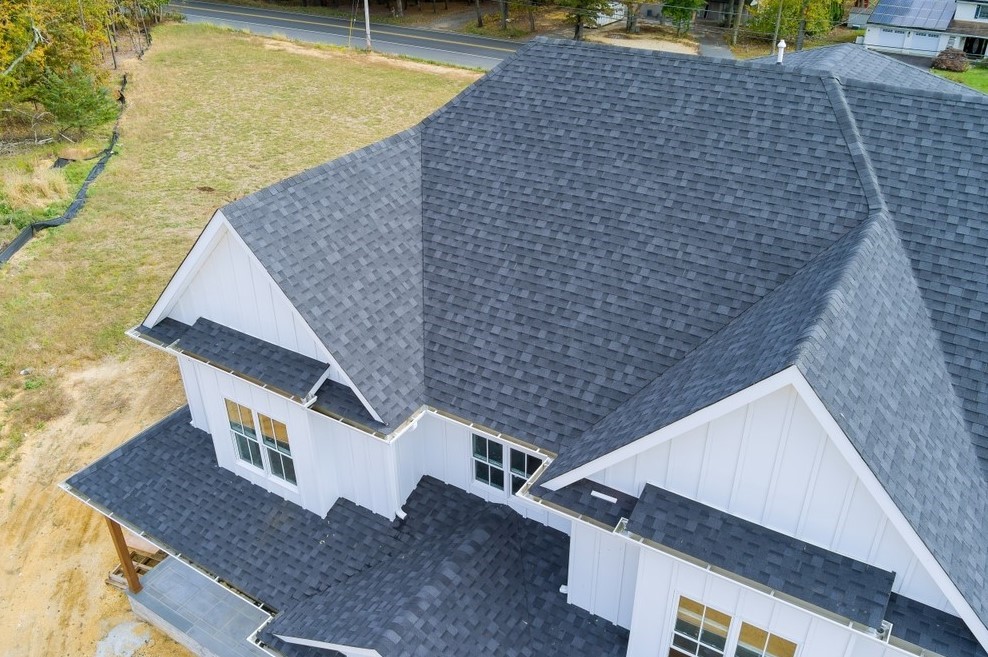
When your roof is damaged, leaking, or showing signs of age, it can be difficult to know whether you need a simple repair or a complete roof replacement. The right choice depends on several factors, including the age of your roof, the extent of the damage, and the long-term cost of ongoing repairs.
Understanding the differences between roof repair and roof replacement can help you make a more informed decision for your home.
Common Signs Your Roof May Need Attention
Roof problems are not always obvious from the ground. Some issues develop gradually, while others may appear suddenly after a storm.
Common warning signs include:
- Missing, cracked, curled, or damaged shingles
- Water stains on ceilings or walls
- Active roof leaks
- Shingle granules collecting in gutters
- Sagging or uneven roof sections
- Wind, hail, or storm damage
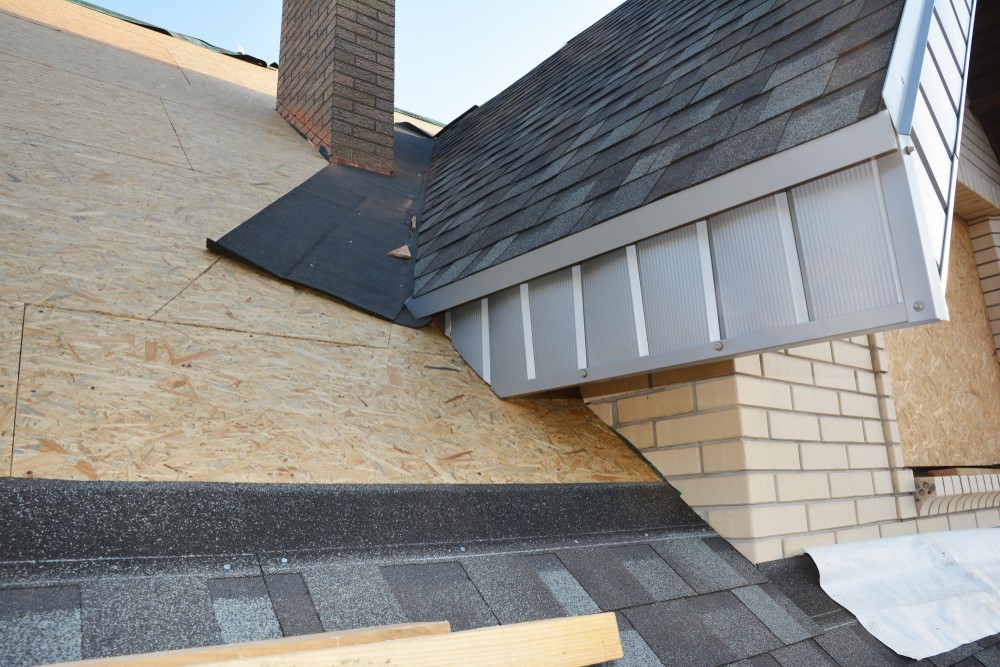
- Damaged flashing around chimneys, vents, or skylights
- Moss, algae, or dark streaks on the roof
- Unexpected increases in heating or cooling costs
If you notice any of these signs, scheduling a professional roof inspection can help determine whether the problem is isolated or affects a larger portion of the roofing system.
When Roof Repair Is the Better Option
Roof repair is often the most practical solution when the damage is limited to a small area and the rest of the roof remains in good condition.
A repair may be appropriate when:
- Only a few shingles are missing or damaged
- The leak is confined to one area
- The flashing or vent boots need to be replaced
- The roof is still relatively young
- The roof decking and structural components remain sound
- Storm damage is minor and localized
Benefits of Roof Repair
- Lower upfront cost
- Faster completion time
- Minimal disruption to your household
- Can extend the life of your existing roof
- Prevents minor damage from becoming more serious
However, a repair may only be a temporary solution if your roof is near the end of its expected lifespan or has widespread deterioration.
When Roof Replacement Makes More Sense
A full roof replacement may be the better long-term investment when the damage is extensive, the roof is aging, or repairs have become frequent.
Roof replacement may be recommended when:
- The roof is nearing the end of its expected lifespan
- There are multiple leaks in different areas
- Large sections of shingles are missing or deteriorated
- Storm damage affects a significant portion of the roof
- The roof decking has moisture damage or rot
- The roof is sagging or has structural concerns
- You have already paid for several repairs
- The current roofing system was installed improperly
Benefits of Roof Replacement
- Provides stronger long-term protection
- Resets the expected lifespan of the roof
- May improve energy efficiency
- Can increase curb appeal and home value
- May include new manufacturer and workmanship warranties
- Reduces the likelihood of recurring repair costs
Factors to Consider Before Making a Decision
1. The Age of Your Roof
The age of your roof is one of the most important considerations. A relatively new roof with isolated damage may only need a repair. An older roof with repeated problems may be a better candidate for replacement.
2. The Extent of the Damage
A small leak or a few missing shingles can often be repaired. Widespread deterioration, multiple leaks, or damaged decking may indicate that a replacement is more appropriate.
3. The Cost of Repeated Repairs
One repair may be affordable, but several repairs over a short period can add up. In some cases, investing in a new roof may be more cost-effective than continuing to repair an aging system.
4. Your Future Plans
Consider how long you plan to remain in the home. A new roof may be a worthwhile investment if you plan to stay for many years. It may also improve buyer confidence if you are preparing to sell.
5. Insurance Coverage
Homeowners insurance may cover certain types of roof damage caused by storms, wind, hail, or falling debris. Coverage varies by policy, so it is important to review your policy and document the damage before beginning work.
6. The Condition of the Entire Roofing System
Shingles are only one part of a roof. A professional inspection should also evaluate the flashing, underlayment, ventilation, decking, gutters, and other components that help protect your home.
Why a Professional Roof Inspection Matters
Some roofing damage is difficult to identify without proper training and equipment. A professional roofer can inspect the full roofing system, locate the source of leaks, identify hidden moisture damage, and assess the remaining life of the roof.
A trustworthy roofing contractor in Atlanta should explain the condition of your roof, review your available options, and recommend the solution that makes the most sense for your home and budget.
Not Sure Whether You Need Roof Repair or Replacement?
Choosing between roof repair and roof replacement does not have to be overwhelming. Adamson Roofing Company can inspect your roof, explain what
we find, and help you understand the most practical solution for your home.
Contact Adamson Roofing Company today to schedule a professional roof inspection today!
Subscribe to Adamson Roofing Company's Blog




Comments